
Why Metabolism Slows After 30 — Thyroid, Muscle and NEAT
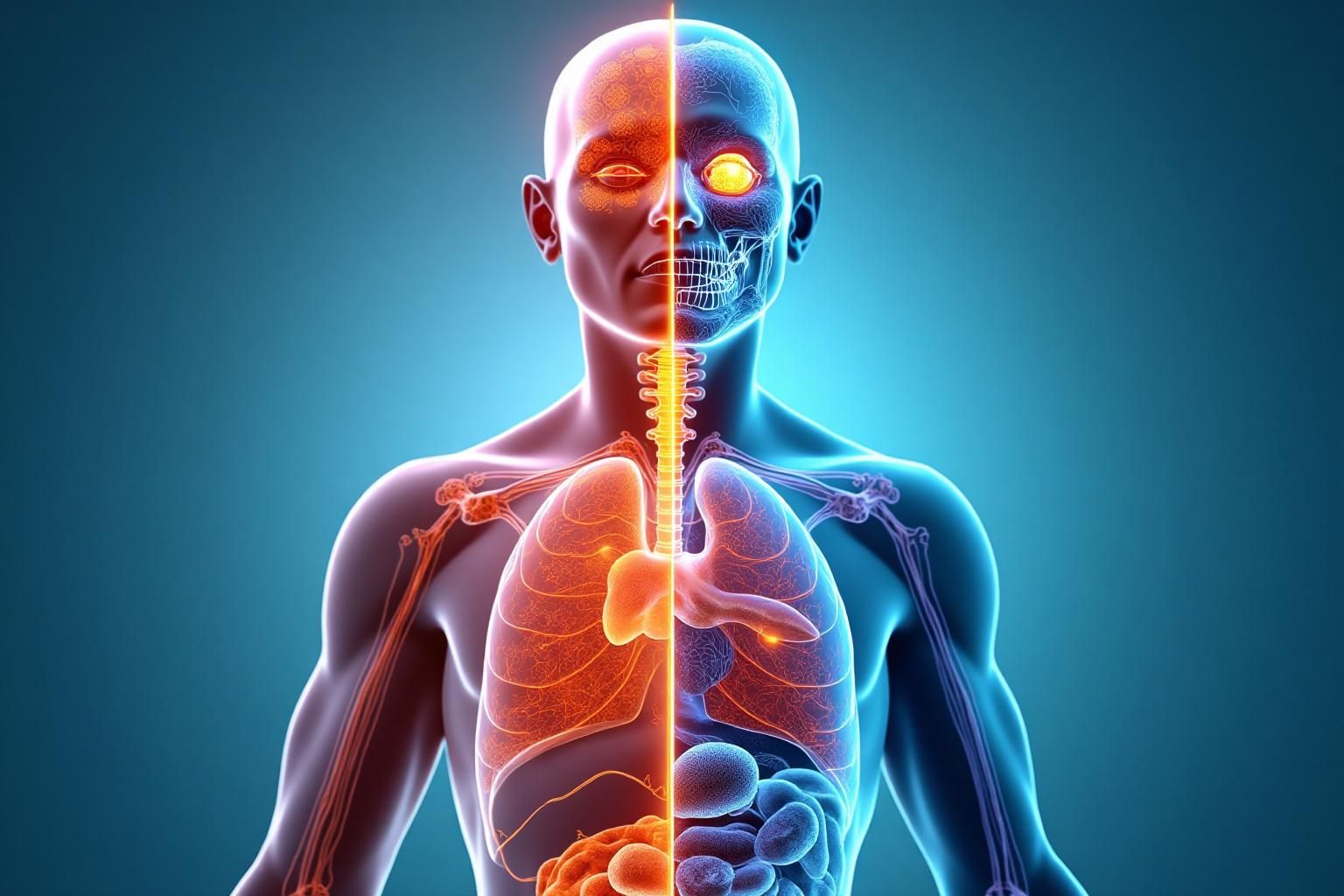
If you've noticed that maintaining your weight loss goals becomes increasingly challenging after 30, you're not alone. Understanding why metabolism slows after 30—and the critical roles of thyroid function, muscle mass, and NEAT (Non-Exercise Activity Thermogenesis)—is essential for effective weight management and inflammation reduction.
The Metabolic Shift: What Happens After 30
Your metabolism after 30 undergoes significant changes that directly impact weight loss, energy levels, and your risk for conditions like diabetes. Research shows that basal metabolic rate (BMR) decreases by approximately 1-2% per decade after age 30, primarily due to three interconnected factors.
1. Thyroid Function and Metabolic Rate
Your thyroid gland acts as your body's metabolic thermostat. After 30, thyroid hormone production can decline, leading to:
- Reduced T3 and T4 production: These hormones regulate cellular metabolism and energy expenditure
- Increased TSH levels: Indicating your body is working harder to maintain thyroid function
- Slower cellular energy production: Directly affecting your ability to burn calories efficiently
- Increased inflammation markers: Chronic inflammation can further suppress thyroid function
Clinical studies indicate that even subclinical thyroid dysfunction can contribute to weight gain and metabolic syndrome. The WellnessFast BioReset protocol specifically addresses thyroid optimization through targeted nutrition and lifestyle interventions.
2. Muscle Mass Decline and Metabolic Consequences
Sarcopenia—the age-related loss of muscle mass—begins as early as 30 and accelerates significantly with each passing decade. This muscle loss has profound metabolic implications:
- Decreased resting metabolic rate: Muscle tissue burns 3x more calories than fat tissue at rest
- Insulin resistance: Muscle is the primary site for glucose disposal; less muscle means poorer blood sugar control
- Reduced protein synthesis: Making it harder to maintain or build muscle mass
- Increased diabetes risk: Insulin resistance is a primary pathway to type 2 diabetes
Research published in the Journal of Applied Physiology demonstrates that resistance training combined with adequate protein intake can reverse up to 50% of age-related muscle loss. The BioReset approach integrates progressive resistance training protocols specifically designed for metabolic optimization.
3. NEAT Reduction: The Hidden Metabolic Factor
Non-Exercise Activity Thermogenesis (NEAT) represents all the calories you burn through daily activities outside of formal exercise—from walking to your car to fidgeting at your desk. After 30, NEAT typically decreases due to:
- Lifestyle sedentariness: Career advancement often means more desk time
- Reduced spontaneous movement: Natural activity levels decline with age
- Lower energy expenditure: NEAT can account for 15-30% of total daily energy expenditure
- Metabolic adaptation: Your body becomes more efficient at conserving energy
Studies show that increasing NEAT by just 300-400 calories per day through simple lifestyle modifications can significantly impact weight loss outcomes without requiring formal exercise programs.
The Inflammation-Metabolism Connection
Chronic inflammation is both a cause and consequence of metabolic slowdown. After 30, inflammatory markers like C-reactive protein (CRP) and interleukin-6 (IL-6) tend to increase, creating a vicious cycle:
- Inflammation disrupts insulin signaling: Leading to insulin resistance and increased diabetes risk
- Inflammatory cytokines suppress thyroid function: Further slowing metabolism
- Oxidative stress damages mitochondria: Reducing cellular energy production
- Chronic inflammation promotes fat storage: Particularly visceral adipose tissue
Evidence-based nutrition protocols, including those featured in WellnessFast, focus on anti-inflammatory foods and compounds that can reduce systemic inflammation by up to 40%.
Get Your Personalized Metabolism Assessment
Connect with our metabolic health experts for a customized plan to reverse metabolic slowdown
Evidence-Based Strategies to Reverse Metabolic Slowdown
Optimize Thyroid Function
- Adequate iodine and selenium intake: Essential cofactors for thyroid hormone synthesis
- Manage stress: Chronic cortisol elevation suppresses thyroid function
- Regular thyroid testing: Monitor TSH, T3, T4, and thyroid antibodies
- Anti-inflammatory nutrition: Reduce autoimmune thyroid conditions
Preserve and Build Muscle Mass
- Progressive resistance training: 2-3 sessions per week targeting major muscle groups
- Adequate protein intake: 1.6-2.2g per kg body weight for muscle preservation
- Optimize protein timing: Distribute protein intake throughout the day
- Address insulin resistance: Improve nutrient partitioning to muscles
Increase NEAT for Weight Loss
- Standing desk usage: Burn an additional 50-100 calories per hour
- Walking meetings: Increase daily step count without extra time commitment
- Active hobbies: Gardening, playing with children, or home projects
- Set movement reminders: Every 30-60 minutes during sedentary periods
Reduce Systemic Inflammation
- Mediterranean diet principles: High in omega-3 fatty acids and polyphenols
- Eliminate inflammatory foods: Processed sugars, trans fats, and refined carbohydrates
- Optimize sleep quality: 7-9 hours per night for immune system regulation
- Stress management techniques: Meditation, yoga, or breathwork practices
The WellnessFast BioReset Approach to Metabolic Health
The WellnessFast BioReset protocol addresses all three metabolic factors—thyroid function, muscle preservation, and NEAT optimization—through a comprehensive, evidence-based approach:
- Personalized nutrition plans: Optimized for thyroid health and muscle preservation
- Strategic fasting protocols: Enhance insulin sensitivity and reduce inflammation
- Targeted supplementation: Address micronutrient deficiencies affecting metabolism
- Progressive exercise programming: Maximize muscle mass and metabolic rate
- Lifestyle optimization: Increase NEAT and reduce metabolic stress
Clinical data demonstrates that participants following the BioReset protocol experience:
- 12-18% improvement in metabolic rate within 12 weeks
- Significant reduction in inflammation markers (CRP, IL-6)
- Enhanced insulin sensitivity and reduced diabetes risk
- Sustainable weight loss averaging 1-2 pounds per week
- Improved thyroid function in individuals with subclinical hypothyroidism
Take Control of Your Metabolism After 30
Understanding why metabolism slows after 30 empowers you to take targeted action. By addressing thyroid function, preserving muscle mass, increasing NEAT, and reducing inflammation, you can not only maintain your metabolic rate but potentially improve it beyond your younger years.
The key is consistency with evidence-based interventions that address root causes rather than symptoms. Whether your goal is weight loss, diabetes prevention, or simply optimizing your metabolic health, the science is clear: strategic nutrition, movement, and lifestyle factors can reverse age-related metabolic decline.
Ready to Optimize Your Metabolism?
Join thousands who have successfully reversed metabolic slowdown through the WellnessFast BioReset protocol. Our evidence-based approach addresses thyroid function, muscle preservation, and inflammation reduction for sustainable results.
Start Your BioReset JourneyFrequently Asked Questions About Metabolism After 30
How much does metabolism slow after 30?
Metabolism typically slows by 1-2% per decade after age 30, primarily due to muscle mass loss, reduced thyroid function, and decreased NEAT. However, this decline is not inevitable and can be reversed with proper intervention.
Can you reverse metabolic slowdown naturally?
Yes. Evidence shows that resistance training, adequate protein intake, increased NEAT, thyroid optimization, and inflammation reduction can restore and even improve metabolic function beyond baseline levels.
What is the best diet for metabolism after 30?
A diet high in lean protein (for muscle preservation), rich in anti-inflammatory foods, adequate in healthy fats for thyroid function, and optimized for insulin sensitivity. The WellnessFast BioReset provides personalized nutrition protocols based on these principles.
How does inflammation affect metabolism and weight loss?
Chronic inflammation disrupts insulin signaling, suppresses thyroid function, impairs mitochondrial function, and promotes fat storage—particularly visceral fat. Reducing inflammation through nutrition and lifestyle is critical for metabolic optimization and sustainable weight loss.
Ready to Optimize Your Metabolism?
Get personalized guidance from our metabolic health experts. Share your information below and we'll help you start your journey to optimal metabolic function.