
Science Blog
Evidence-based insights on weight loss, disease reversal, metabolic health, and nutrition principles backed by science and real-world results.
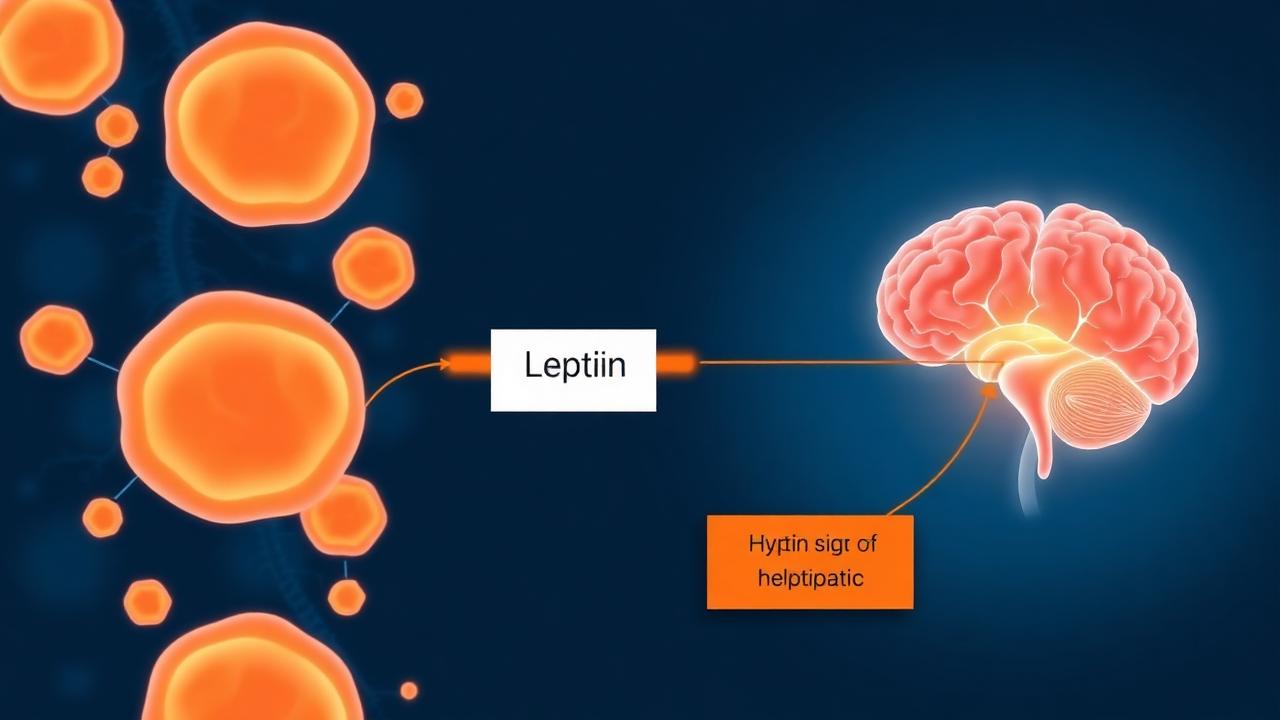
Leptin Resistance — The Root Cause of Weight Regain & Constant Hunger
Leptin resistance is why you feel hungry even after eating and regain weight despite dieting. Learn what leptin is and why your brain stops responding to it.
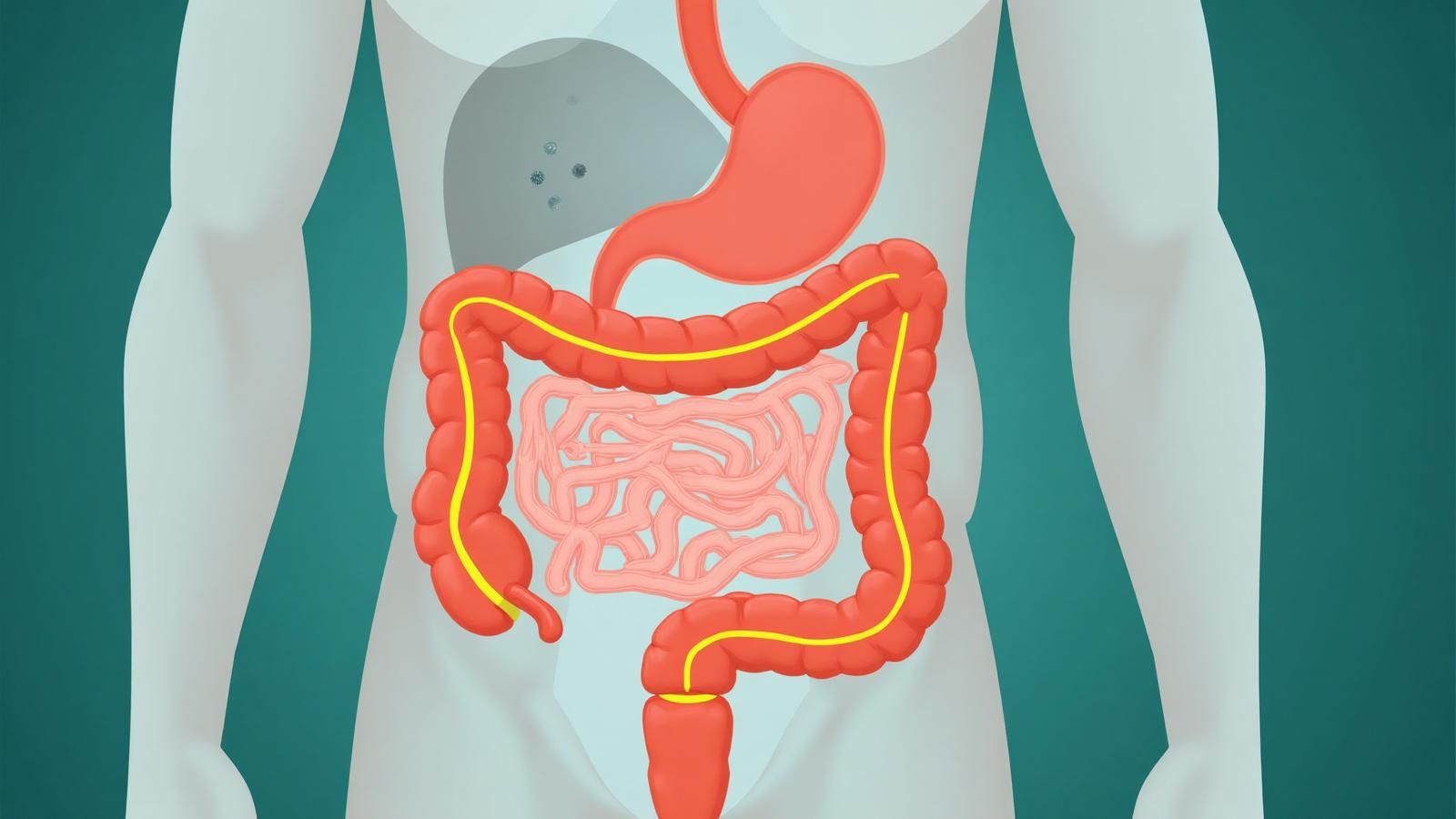
The Root Cause of Bloating: Motility + SIBO Explained Simply
Bloating is driven by poor gut motility and SIBO. Learn how metabolism, inflammation, gut health, and circadian rhythm affect bloating and digestion.
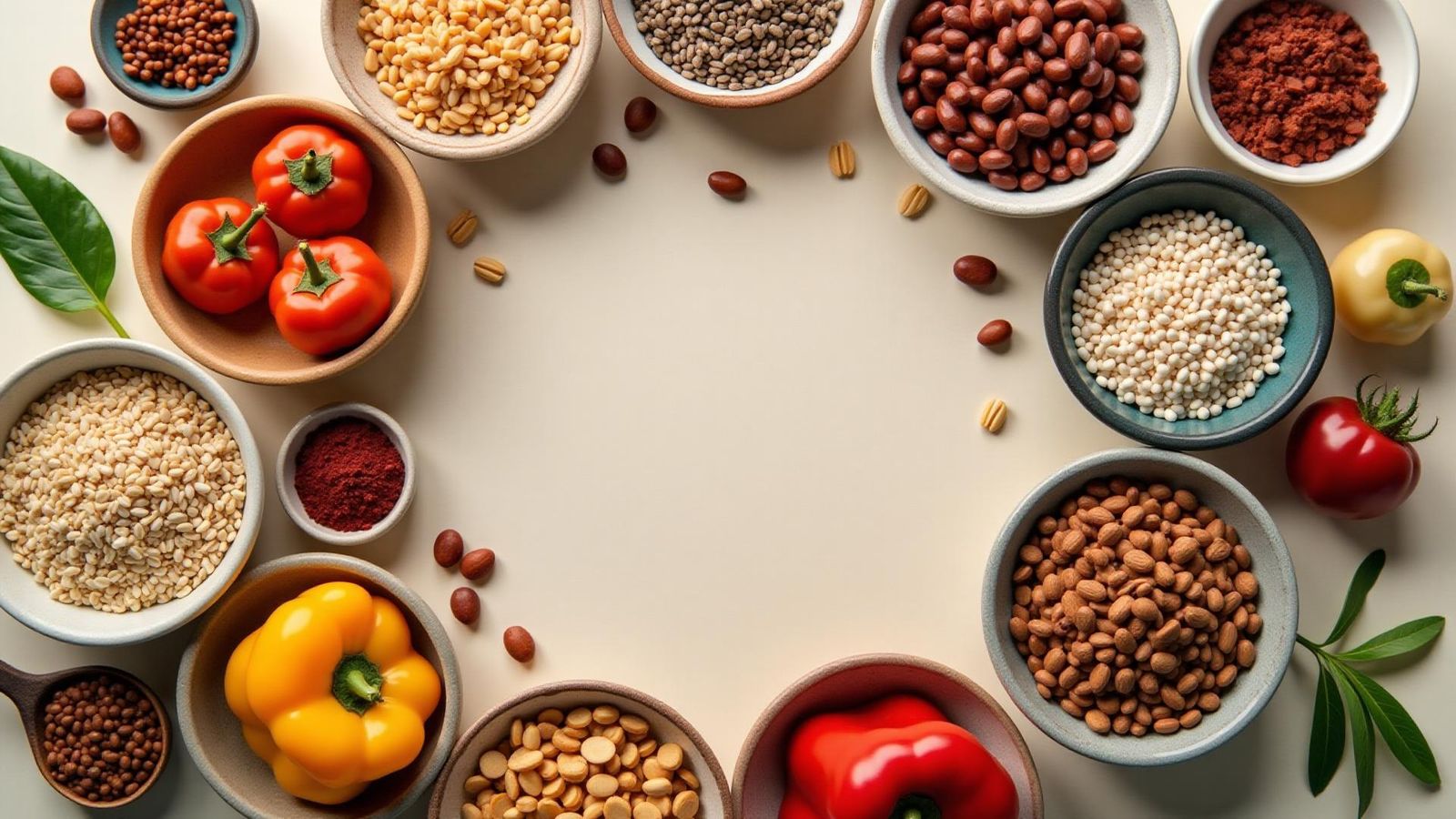
Lectins — When They're Harmful and When They're Not
Lectins can help or harm depending on gut health, digestion, and preparation. Learn when lectins cause inflammation, weight gain, or metabolism issues.
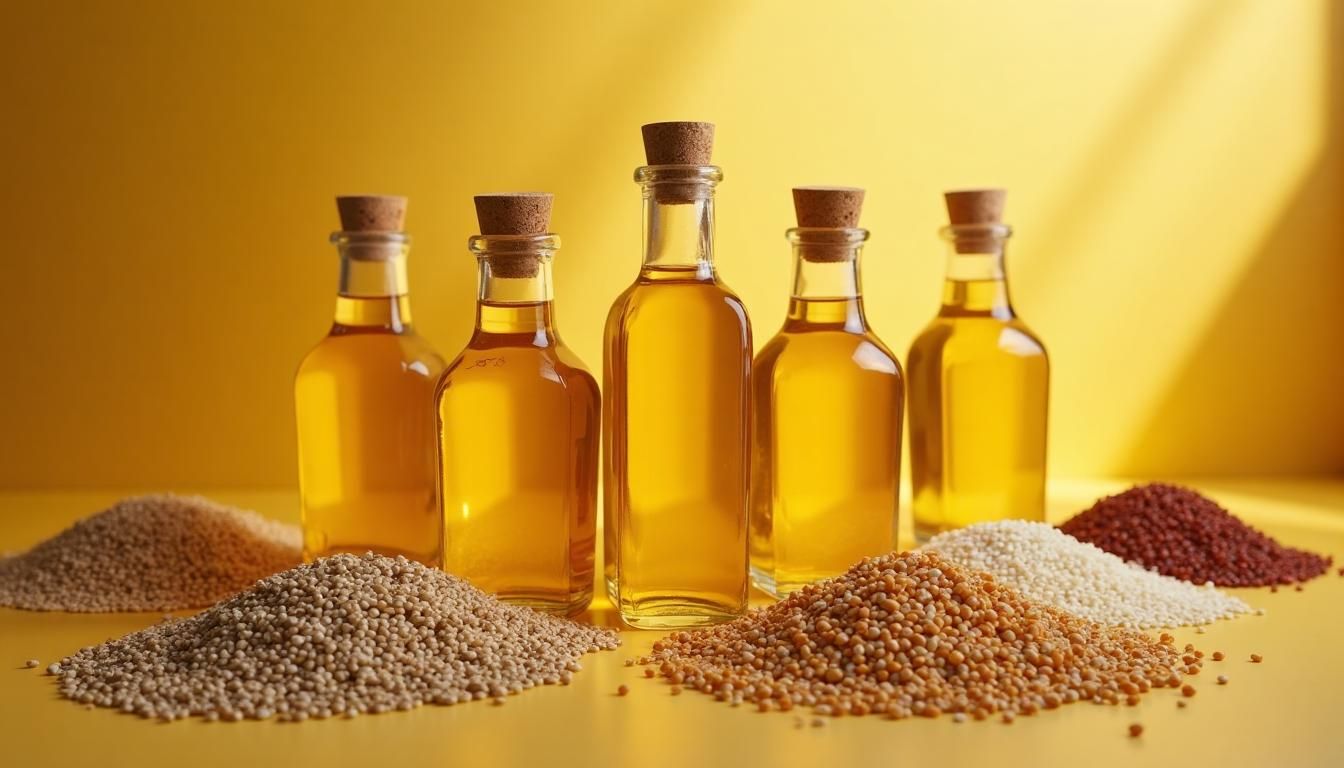
What Processed Seed Oils Do Inside Your Cells — The Hidden Metabolic Damage
Discover what happens inside your cells when you consume processed seed oils — from inflammation and mitochondrial damage to belly fat and metabolic syndrome.

The Science Behind ACV (Apple Cider Vinegar) — Myth vs Reality
ACV may help digestion, weight loss, and blood sugar — but many claims are myths. Learn the real science behind ACV and metabolic health.

Why Digestion Weakens After Sunset
Digestion naturally weakens after sunset due to circadian rhythm changes, slowed metabolism, gut repair cycles, and hormonal shifts. Learn the truth.

Why Do We Gain Weight Even When Eating Less?
Many people gain weight despite eating less due to metabolism slowdown, inflammation, gut imbalance, hormones, and circadian disruption. Learn the science.
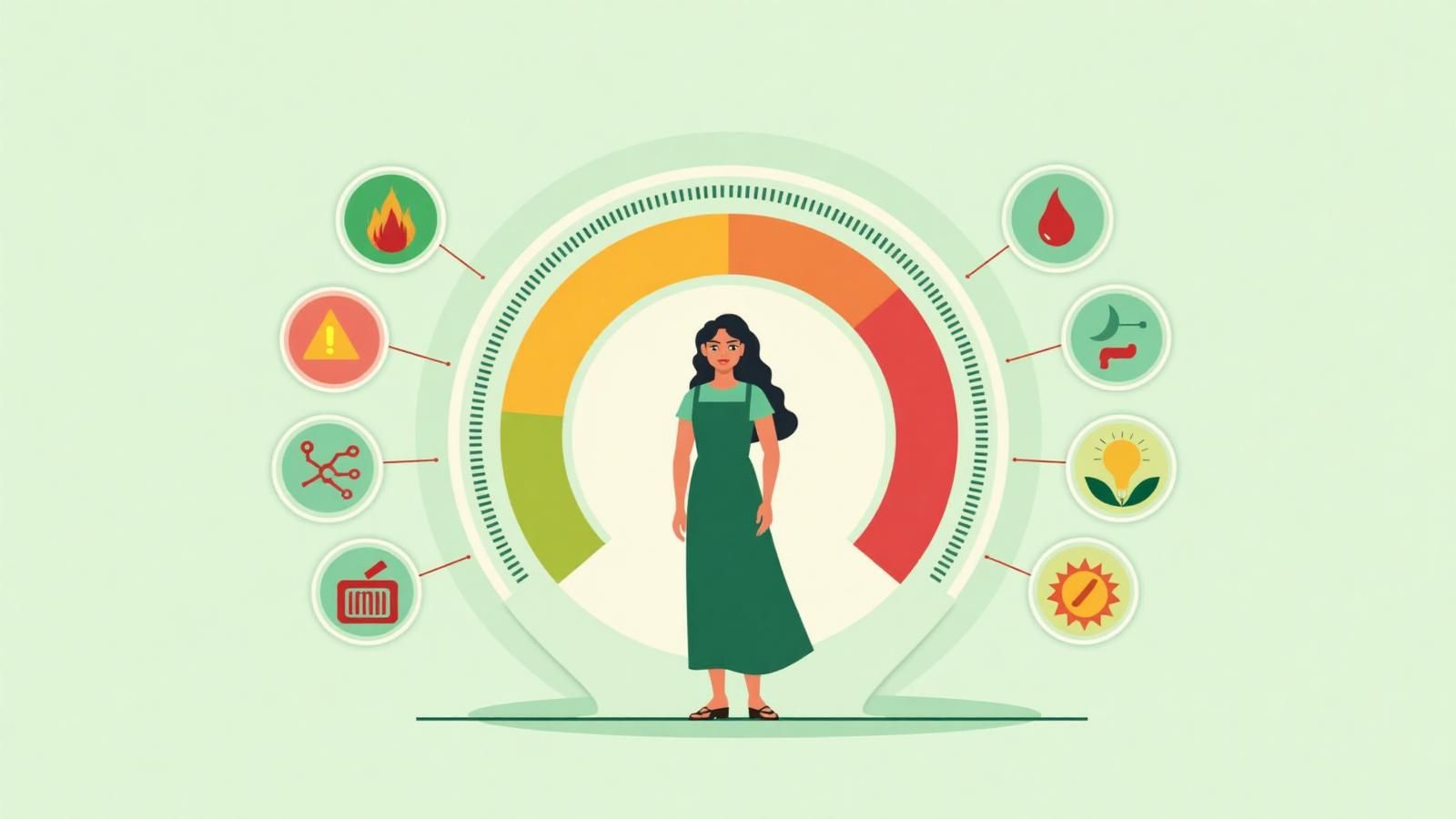
Set Point Weight Theory — Why Your Body Fights Weight Loss
Set Point Weight Theory explains why your body resists weight loss. Learn how metabolism, hormones, inflammation, gut health, and circadian rhythm affect your set point.

Metabolic Syndrome — What It Is and How to Reverse It
Metabolic syndrome increases diabetes, heart disease, and belly fat risk. Learn how BioReset Protocol, gut health, and circadian rhythm can reverse it naturally.

Reverse Dieting — Why Eating More Can Improve Your Metabolism
Reverse dieting boosts metabolism, reduces inflammation, stabilizes hormones, and helps weight loss. Learn how eating more strategically can heal your metabolism.

Why Belly Fat Is Hormonally Different From Other Fat
Belly fat is hormonally active and linked to diabetes, inflammation, metabolic slowdown, and gut health. Learn why it's harder to lose and how to fix it.
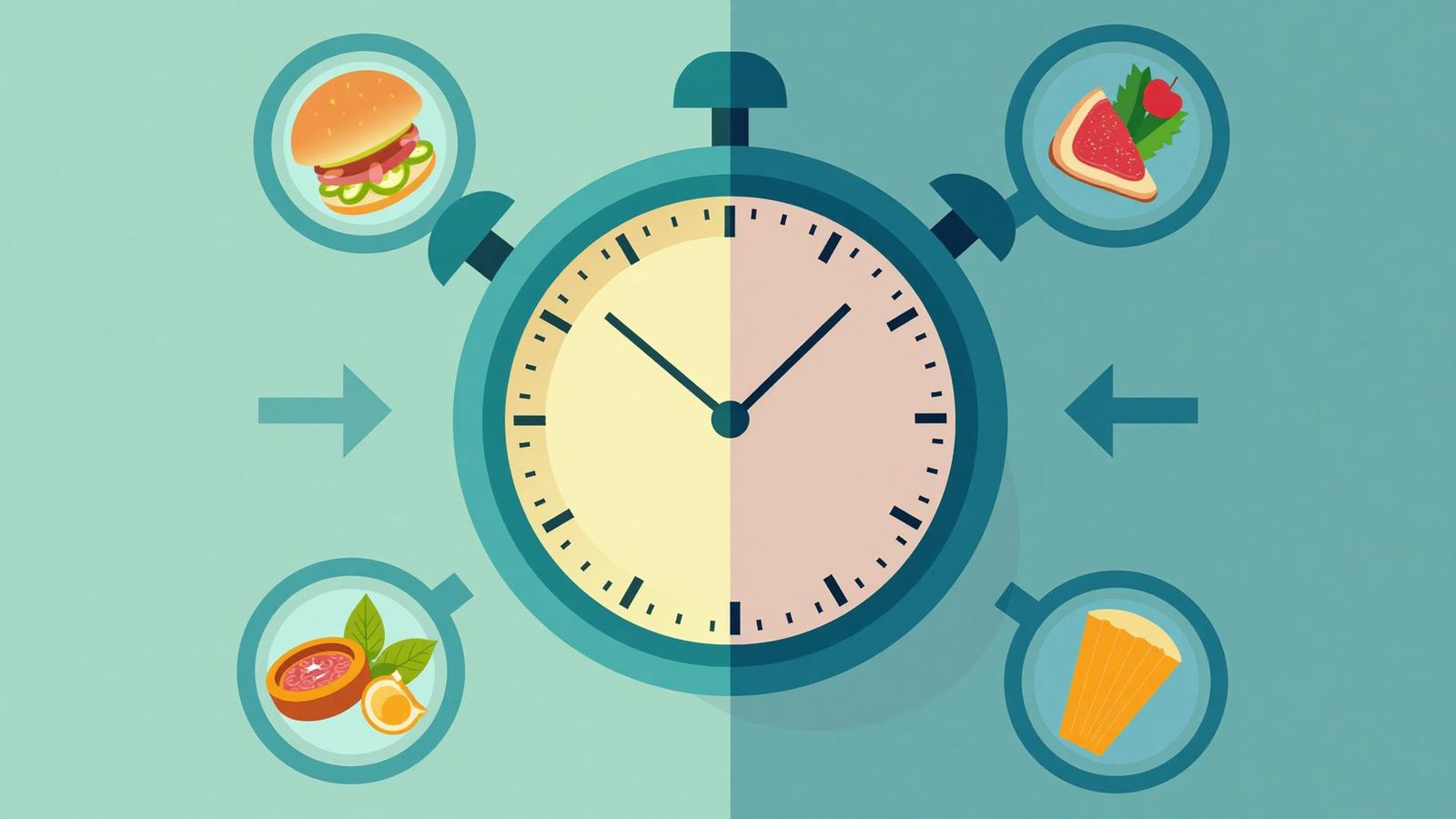
Circadian Rhythm & Weight Loss — The Truth About Meal Timing
Circadian rhythm affects metabolism, weight loss, inflammation, gut health, and diabetes risk. Learn how meal timing impacts fat loss & energy.

The "Metabolic Flexibility" Problem — Why You Feel Hungry Every 2–3 Hours
Feeling hungry every 2–3 hours is a sign of poor metabolic flexibility. Learn how metabolism, inflammation, gut health, and insulin impact hunger.

What Happens in Your Body When You Skip Breakfast?
Discover how skipping breakfast affects metabolism, weight loss, inflammation, gut health, and increases diabetes risk. Learn evidence-based strategies for optimal meal timing.
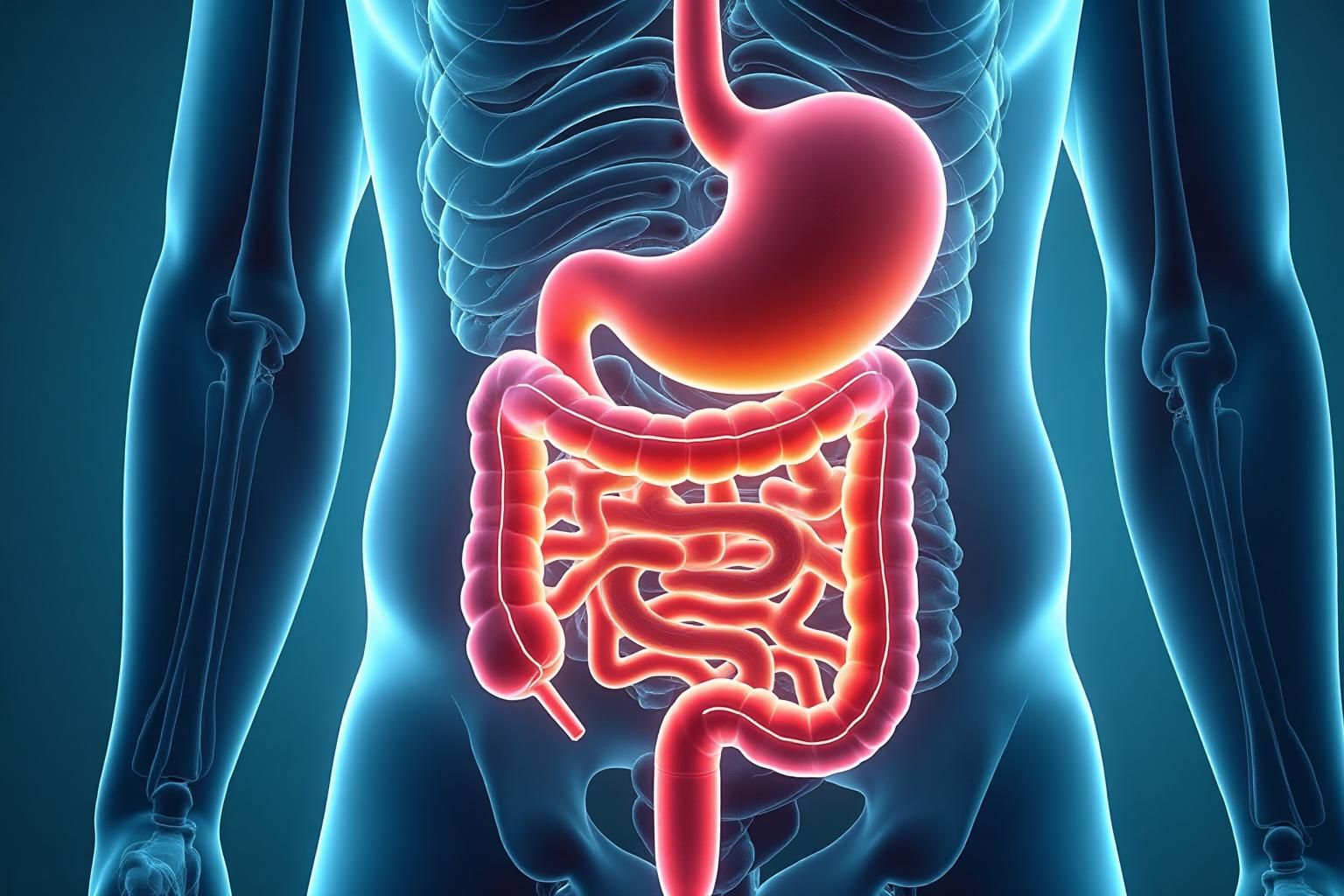
Can Inflammation Make You Fat? The Shocking Gut–Metabolism Link
Discover how chronic inflammation disrupts gut health and metabolism, leading to weight gain and diabetes. Learn evidence-based strategies to heal your gut.
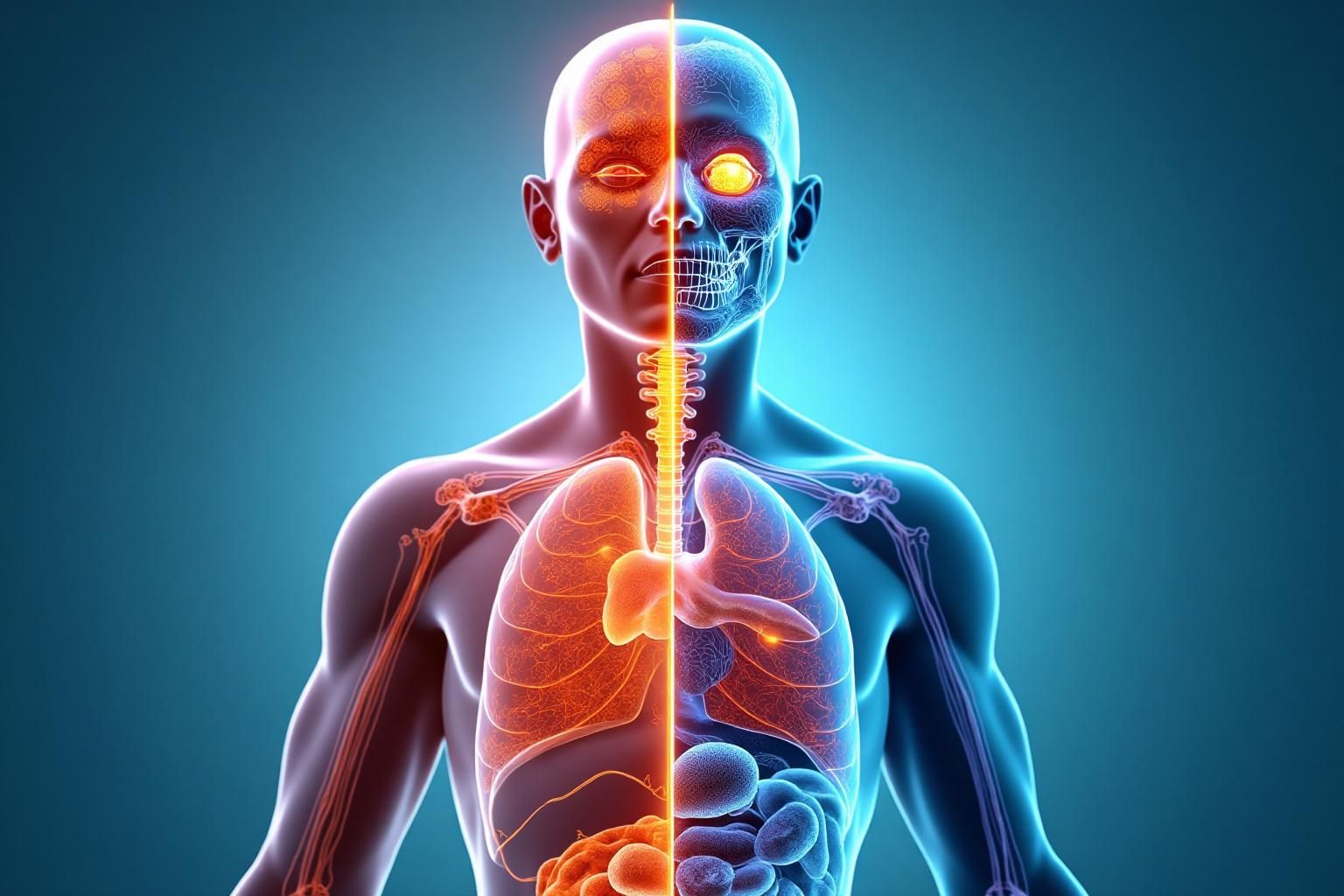
Why Your Metabolism Slows After 30: Understanding Thyroid, Muscle Mass & NEAT
Discover the science behind metabolic slowdown after 30 and evidence-based strategies to optimize thyroid function, preserve muscle mass, and boost your metabolism.
Reversing Type 2 Diabetes: The Science of Metabolic Healing
Discover how targeted nutrition and lifestyle interventions can reverse type 2 diabetes and restore insulin sensitivity.

Nutraceuticals for Metabolic Health: Evidence-Based Guide
Learn which research-backed supplements and nutraceuticals can optimize your metabolic markers and support disease reversal.

Understanding Your Blood Markers: A Complete Guide
Master the key biomarkers that reveal your metabolic health status—from HbA1c to inflammation markers.