
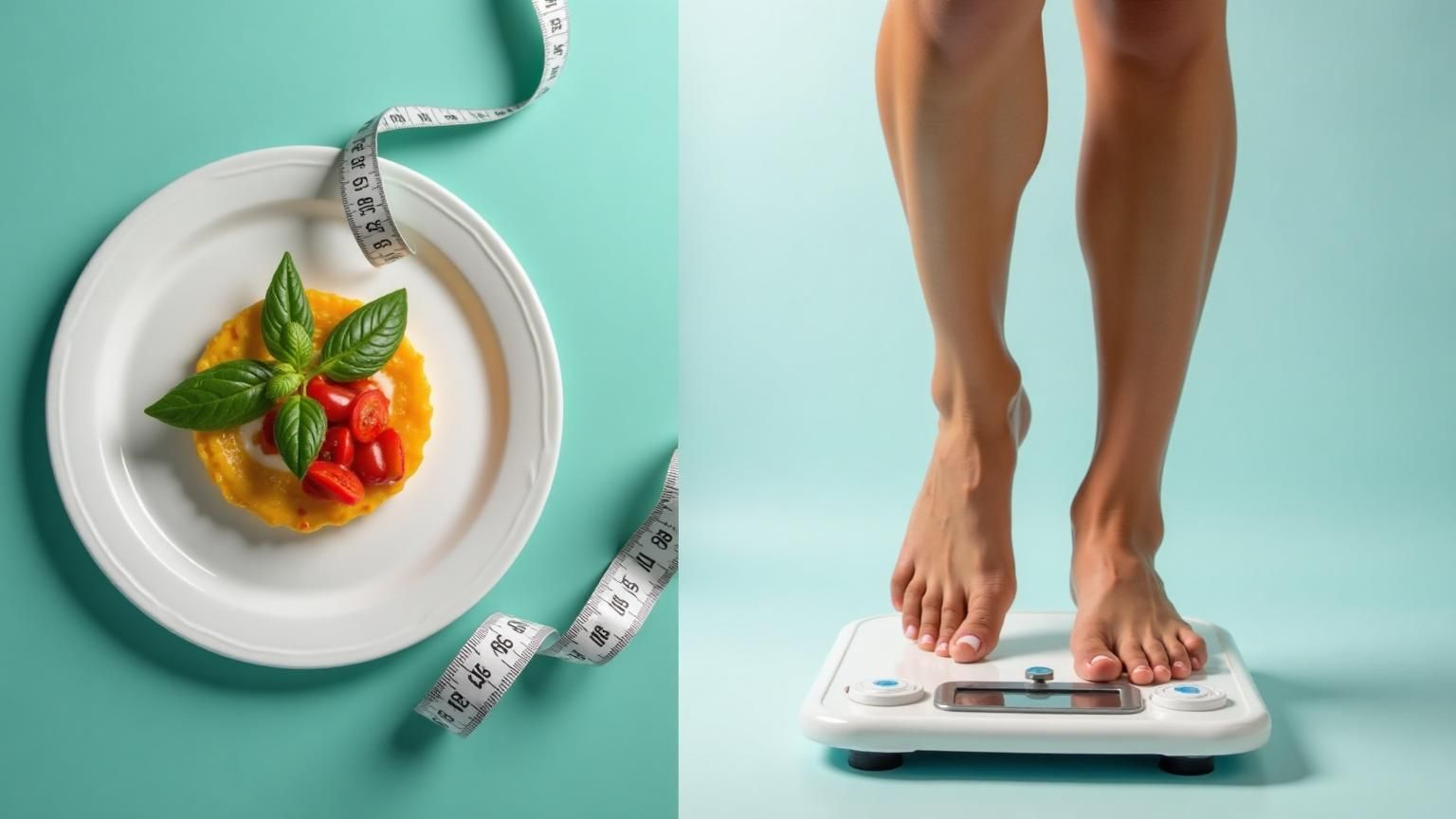
Why You Gain Weight Even When Eating Less
If you've ever said: "I eat so little, but I still gain weight…"
You're not alone — and you're not imagining it. This is one of the most common metabolic complaints, especially among women, people over 30, those who have dieted repeatedly, and individuals with diabetes, metabolic syndrome, PCOS, thyroid issues, inflammation, or chronic stress.
The reason is simple:
Weight gain is NOT only about calories.
It's about metabolism, hormones, inflammation, and gut health.
Your body is far more intelligent than traditional dieting advice. And when you "eat less," it responds in ways that actually promote weight gain, not weight loss.
This is exactly what programs like WellnessFast.ai address using deep metabolic healing and the BioReset Protocol. Contact us to get started.
🔥 Why Eating Less Can Make You Gain Weight
1️⃣ Metabolism Slows Down When You Eat Less
The body views calorie restriction as a threat.
So it responds by:
- slowing metabolic rate
- decreasing fat burning
- lowering thyroid hormones
- increasing fat storage
- reducing muscle mass
This is called adaptive thermogenesis — your metabolism adapts to survive.
The result? Even small amounts of food begin storing as fat, especially belly fat.
2️⃣ Your Set Point Weight Theory Activates
Your body has a weight range it fights to maintain.
When you eat too little, your set point weight can increase, causing:
- stronger hunger
- higher cravings
- more fat storage
- difficulty losing weight
This is why most people regain weight after dieting — their set point rises.
3️⃣ Cortisol (Stress Hormone) Increases
Eating too little triggers stress on the body.
High cortisol leads to:
- cravings
- belly fat
- slow metabolism
- insulin resistance
- inflammation
This is especially true when:
- skipping breakfast
- eating one or two meals a day
- undereating chronically
- sleeping late
- overworking
Cortisol-driven belly fat is extremely stubborn.
4️⃣ Gut Health Weakens
When you don't eat enough:
- digestion slows
- gut bacteria diversity decreases
- bloating increases
- nutrient absorption decreases
- inflammation rises
Poor gut health = weight gain, even with low calories.
5️⃣ Insulin Sensitivity Worsens
Eating too little, skipping meals, or eating irregularly disrupts insulin.
Poor insulin function causes:
- belly fat storage
- weight gain
- cravings
- fatigue
- metabolic syndrome
- diabetes progression
Many people "eat less" but eat at the wrong times, which worsens insulin.
6️⃣ Your Circadian Rhythm Gets Disrupted
The body burns fat efficiently only when aligned with the natural clock.
When you:
- skip breakfast
- eat late at night
- sleep late
- don't get morning light
your circadian rhythm becomes misaligned → metabolism slows down. Timing matters as much as quantity.
7️⃣ Reverse Dieting May Be Required
Many people are so metabolically suppressed that they must eat more first to heal metabolism before losing weight.
Reverse dieting helps:
- rebuild metabolism
- balance hunger hormones
- support thyroid function
- improve energy
- reduce cravings
- stabilize blood sugar
This is why people lose weight more easily after reverse dieting.
Ready to fix your metabolism so your body burns more while eating more?
Share your information below and we'll be in touch to start your personalized BioReset Protocol.
🌟 Why "Eating Less" Stops Working Over Time
Eating less:
- increases cortisol
- increases inflammation
- decreases metabolic rate
- damages thyroid function
- reduces lean muscle
- worsens gut health
- disrupts circadian rhythm
Your body begins to store fat even with low food intake.
This is why you may feel:
- tired
- constantly hungry
- bloated
- stuck
- unable to lose belly fat
- mentally foggy
- craving sugar
It's not you — it's your physiology.
🎯 How to Actually Lose Weight (The Science)
To lose weight while eating less damage, you must:
✔ Heal metabolism
Through nutrient-dense meals, circadian rhythm eating, and reverse dieting.
✔ Reduce inflammation
Through anti-inflammatory nutrition.
✔ Improve insulin sensitivity
Stable blood sugar = stable weight.
✔ Fix gut health
Healthy microbiome = improved fat burning.
✔ Support thyroid hormones
Your thyroid controls your metabolic rate.
✔ Eat with the circadian rhythm
Morning calories → fat-burning
Late-night calories → fat storage
✔ Follow the BioReset Protocol
This multidimensional approach is why WellnessFast clients lose weight sustainably. Start your journey here.
Learn more:
👉 https://wellnessfast.aiStart Your WellnessFast Journey
Our expert team brings proven experience in metabolic health and disease reversal.
🔗 Important Links
- Website: https://wellnessfast.ai
- Instagram: https://www.instagram.com/wellnessfast
- YouTube: https://www.youtube.com/@WellnessFastOfficial
📌 Hashtags
#WeightGain #EatingLess #Metabolism #WeightLoss #Inflammation #BellyFat #GutHealth #CircadianRhythm #ReverseDieting #SetPointWeight #MetabolicSyndrome #WellnessFast #BioResetProtocol #HormoneHealth